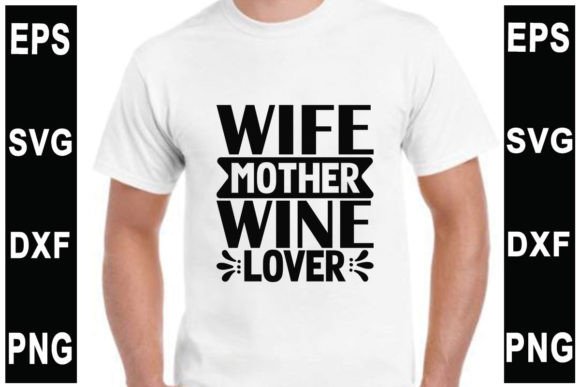
Tumbler SVG Design: Wife Mother Wine Lover
When a design lands in my inbox with the phrase “Wife Mother Wine Lover,” I already know the exact mood it’s trying to capture. As someone who stitches for clients, craft fairs, and a small Etsy shop, I look at a graphic like this not just as a pretty piece of art, but as a potential machine embroidery design waiting to be tested. The Tumbler Svg Design, Wife Mother Wine Lov is delivered as a ZIP containing EPS, SVG, PNG, and DXF files—so right away I’m thinking about how a clean vector translates into a digital embroidery file after proper digitizing. This isn’t a plug-and-play stitch file, but it’s a solid starting point for anyone who knows their way around embroidery software.
The personality of this design is playful, relatable, and a little bit cheeky. It leans into the “wine mom” culture that feels warm, funny, and instantly giftable. The way the words are arranged—likely a mix of script and simple sans-serif—creates a visual rhythm that would look equally at home on a cozy sweatshirt, a kitchen towel, or a wine tote bag. I can already picture a customer picking up a set of embroidered aprons with this phrase at a boutique craft fair and smiling. From a finished product perspective, the emotional connection is immediate.
First Impressions and the Design’s Personality
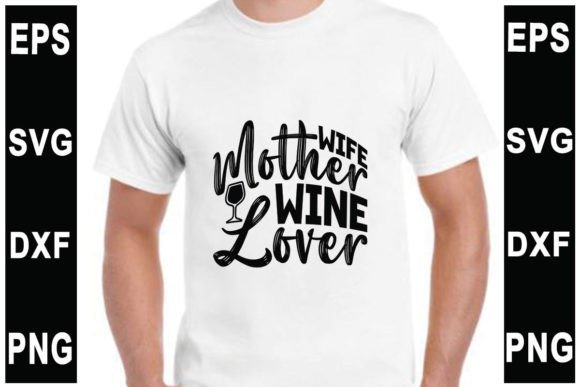
Opening the PNG preview gave me a clear sense of the layout. The phrase “Wife Mother Wine Lover” usually sits in a stacked or arched composition, which makes it feel like a badge of honor. It’s not overly intricate, and that’s a good thing when you’re thinking about stitch density and readability on fabric. The mood is lighthearted, perfect for a personalized gift or a custom apparel item that doesn’t take itself too seriously. I’ve seen similar themes in baby embroidery projects where the new mom gets a playful onesie, but this one feels more geared toward the woman herself—a nod to her identity beyond just “mom.”
The included EPS and SVG files mean the lines are crisp and fully scalable. For embroidery, that’s a gift because you can resize without losing edge quality. The DXF format is a bonus for those who use cutting machines to create applique templates, while the PNG is handy for quick mockups. As a digital embroidery file reviewer, I always appreciate when a designer includes multiple formats, even if I’ll ultimately need to redraw or digitize the artwork for stitches. It cuts down on prep time and lets me test the design in different software environments.
Where This Design Shines in Embroidery Projects
I ran a mental test of this design across several products I regularly create for clients: tote bag design, sweatshirt embroidery, kitchen towels, and even a simple embroidered patch. The phrase works beautifully on a canvas tote that doubles as a wine carrier. Imagine a natural cotton tote with a delicate satin stitch rendering of “Wife Mother Wine Lover” in a deep burgundy thread—it’s an instant seller during the holiday season. For a sweatshirt, the design would need to be placed carefully on the chest or sleeve, and the lettering must be large enough to remain legible after washing. I’ve learned that tiny lettering in embroidery can quickly turn into a blob if the stitch density isn’t adjusted, so I’d push the size to at least four inches wide for a clean outcome.
This design also has strong potential as a holiday embroidery item. Mother’s Day, birthdays, or even a “just because” gift for a friend who loves her evening glass of wine—the theme is versatile. I’ve stitched similar wine-related quotes onto pillow covers, and those always spark conversation at home goods markets. The design’s charm lies in the fact that it feels personal without being overly sentimental. It’s the kind of handmade product that a customer picks up, laughs at, and immediately thinks of three people who would love it.
The Nuances of Stitching a Wine Lover’s Quote
Since the Tumbler Svg Design, Wife Mother Wine Lov is a graphic, not a pre-digitized embroidery file, the first thing I do is analyze how the shapes will translate into stitches. The typography is crucial. If the design uses a thin script for “Wife Mother” and a bolder print for “Wine Lover,” that contrast creates a beautiful hierarchy. But thin satin stitches can be finicky on textured fabric. I’d recommend a fill stitch for the larger text and a slightly wider satin for the thin parts, or even a combination of running stitch for the delicate details. The overall design assets are clean enough that a skilled digitizer can map out the stitch density without too much manual cleanup.
One thing I always do with a new design is test it in black and white before committing to thread colors. The PNG file is perfect for printing a quick grayscale mockup to see how the contrast holds up. I also check the design on both light and dark fabric backgrounds. A design that looks great on cream linen might get lost on navy denim unless you add a light underlay or choose a thread color that pops. I’ve been burned before by assuming a design would read well on a dark fabric texture, so I never skip this step.
Material and Fabric Considerations
Not every fabric is a friend to this design. I’d avoid stitching it on heavily textured terry cloth or thin, stretchy jersey without a robust stabilizer. The phrase “Wine Lover” might have a looped underline or a small accent like a grape cluster, and those fine details need a stable foundation. A medium-weight cotton or linen is ideal for a tote bag design or kitchen towel. For a sweatshirt embroidery project, I’d use a cutaway stabilizer to keep the lettering from distorting over time. Hoop size matters too—if you’re using a 4x4 hoop, the design might need to be compacted, which could make the smaller text unreadable. I’d advise anyone using this for a commercial embroidery project to size it appropriately for the smallest hoop they plan to offer.
Curved surfaces like caps or hats are a bit trickier. The design’s layout, if it’s a horizontal stack, might fight the curve of a cap. I’d reserve this one for flat or slightly curved items like tote bags, aprons, or the front of a sweatshirt. If you’re set on a cap, consider splitting the design into a two-line arrangement that follows the cap’s arc. That’s a digitizing adjustment, but it’s worth doing to keep the finished product looking professional.
Making It Work for Your Craft Business
For Etsy sellers and small shop product makers, this design has excellent commercial appeal. The personalized gift market is always hungry for phrases that celebrate everyday identities. I’ve seen wine-themed embroidery sell year-round, not just around holidays. The key is to present it in a way that feels boutique and intentional. Pair the design with a high-quality base product—like a linen tea towel or a premium canvas tote—and you’ve elevated the entire presentation. I’d also use the PNG file to create a printable mockup for listings, because a clean staged photo often makes the difference between a scroller and a buyer.
Before listing anything, though, I always double-check the licensing. The product description doesn’t specify whether the files are for personal use, commercial use, or extended commercial use. I’d advise any craft business user to reach out to the designer or check the included license file. The last thing you want is to invest time in digitizing and stitching a design only to find you can’t sell the finished items. The same goes for using the design as part of a digital embroidery file bundle you plan to resell—always confirm the terms.
Practical Tips Before You Hit the Embroidery Machine
After years of running a small embroidery studio, I’ve developed a mental checklist for every new design. Here’s what I’d do with the Tumbler Svg Design, Wife Mother Wine Lov:
- Test on scrap fabric first. I always run a stitch-out on a piece of cotton that matches the texture of my final product. This reveals any tension issues, thread breaks, or density problems early.
- Check thread color contrast. Don’t assume a dusty rose thread will read the same on a cream base as it does on the screen. I swatch my threads against the fabric in natural light.
- Review stitch density. If the digitizer has packed too many stitches into the small letters, the design will feel stiff and may pucker. A good embroidery file will balance density with softness.
- Inspect small details. Look at any decorative elements—maybe a tiny wine glass icon or a delicate swirl. If they’re too small, they’ll disappear in the final stitch. I’d enlarge or simplify them if needed.
- Use the right stabilizer. For a lightweight tote, a tear-away stabilizer might work, but for a sweatshirt, I’d go with a cutaway. The stretch in the fabric dictates the stabilizer choice.
- Test in black and white. Print the design from the PNG in grayscale. If the composition still reads well, you’re in good shape. If it loses clarity, adjust the digitizing contrast.
I also like to compare the design on light and dark backgrounds. A design that relies on a thin elegant script might need a subtle outline or a slightly thicker digitizing width on dark denim to avoid disappearing. The printable mockup stage is a great time to visualize these variations before you even thread a needle.
The Emotional Pull of a Wine-Loving Identity
There’s a reason why phrases like this one sell consistently. The “Wife Mother Wine Lover” theme taps into a shared sense of humor and self-care. When a customer buys an embroidered item with this phrase, they’re not just buying a handmade product—they’re buying a little piece of recognition. It’s the friend who loves her girls’ nights, the mom who finally gets five minutes to herself, the wife who appreciates a good glass of red. The design’s personality is warm, inclusive, and easy to wear.
From a craft business perspective, that emotional connection translates directly into buyer engagement. I’ve noticed that items with relatable, lighthearted quotes tend to attract more impulse purchases at craft fairs. People see the design, chuckle, and immediately picture it on their own kitchen wall or as a gift for a sister. The Tumbler Svg Design, Wife Mother Wine Lov has that exact kind of magnetic pull. It’s a design assets package that, with a little digitizing work, can become a staple in your product lineup.
Final Thoughts on the Wife Mother Wine Lover Tumbler Design
I’ve worked with hundreds of SVG-based designs in my embroidery career, and I’ve learned to judge them by how easily they adapt to thread and fabric. This one passes the test. The concept is strong, the file types are flexible, and the theme is evergreen. It’s not a ready-to-stitch embroidery file, but for a designer or small shop owner who is comfortable with digitizing, it’s a low-risk addition to your collection. The real magic happens when you match it with the right product—a textured linen apron, a soft unisex tee, or a sturdy wine tote. The design’s charm lies in its simplicity and its ability to make someone feel seen.
As with any digital embroidery file project, the difference between a mediocre result and a standout piece is in the prep work. Take the time to digitize thoughtfully, test stitch, and choose your base materials with care. The Tumbler Svg Design, Wife Mother Wine Lov is a great reminder that a heartfelt, humorous phrase can become a treasured everyday item. I’ll be keeping this one in my back pocket for holiday markets and last-minute custom orders—it’s just too relatable to ignore.