It’s Always Tea Time SVG: A Designer’s Embroidery Review
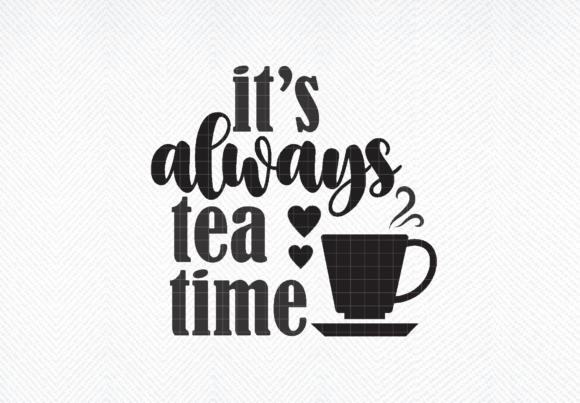
When a fresh Tea Towel Svg, It s Always Tea Time Svg lands on my screen, I don’t look at it as a flat graphic. I immediately start imagining how it will behave under a needle, what kind of fabric it will call home, and which customer will grin when they unfold it. This design sings a gentle, whimsical tune—a teacup perched with a playful spirit, framed by the kind of lettering that makes you want to sit down and stay a while. Right away, I knew it belonged on a kitchen towel, but I also felt a strong pull toward tote bags, linen aprons, and even a soft sweatshirt for the tea lover who lives in cozy layers.
The mood is unmistakably warm, a little vintage, and full of personality. It’s not loud or demanding; it’s the design equivalent of a quiet afternoon. That’s precisely the kind of visual personality that sells well in handmade shops and draws repeat customers. When I evaluate a machine embroidery design—even one that starts as a vector graphic like this—I’m looking for a balance of charm, stitchability, and long-term value. This one checked all three boxes early, but I still needed to take it through the real-world wringer.
First Glance: The Teacup That Invites a Pour
The layout of the It’s Always Tea Time SVG is centered and balanced, with the phrase “It’s always tea time” holding a gentle curve around a cheerful teacup. The lettering is playful but not childish, and the teacup has enough detail—a saucer, a small steam swirl, and a tiny leaf accent—to feel complete without tipping into clutter. That’s a critical point for embroidery. Too many fine lines, and you’ll battle thread breaks and muddy stitch fields. Here, the shapes are friendly and broad enough to translate smoothly into satin stitch outlines and fill stitch areas, assuming you digitize with care.
My first thought was to place it on a flour sack tea towel, which is exactly what I did for a recent bridal shower favor order. The client wanted something sweet, reusable, and unmistakably tea-themed. I pulled the SVG into my embroidery software, converted it to a digital embroidery file with manual adjustments, and watched the stitch preview. The teacup’s steam lines needed to be a light running stitch, and the main text called for a medium-width satin with a slight angle for readability. Already, I could see the design would shine on a tightly woven fabric.
Real-World Embroidery Behavior on a Tea Towel
Testing on a standard cotton tea towel revealed a lot. I hooped a piece of medium-weight cutaway stabilizer behind the flour sack fabric, chose a soft cream background, and picked thread colors that echoed the design’s intention: a dusty teal for the lettering, a warm coral for the teacup, and a whisper of pale gray for the steam. The stitch density I assigned was firm enough to give the lettering presence but not so heavy that it puckered the fabric. After the machine finished, I held the towel up. The text read clearly from across the kitchen, and the teacup popped without feeling stiff.
One thing I always check is how a design holds up after a wash cycle. A tea towel is meant to be used, not just admired. I laundered it twice—cold water, gentle cycle, low tumble dry—and the threads held perfectly. The satin stitch edges remained smooth, and the fill stitch retained its sheen. This is a design that can handle the rhythm of a real kitchen, and that’s a huge selling point when you’re listing handmade product collections on Etsy or presenting at a craft fair.
Where ‘It’s Always Tea Time’ Shines Brightest
While the tea towel is the obvious soulmate, this design flexes beautifully into other projects. I’ve seen it mocked up on a natural canvas tote bag, and the charm factor is immediate. Tote bag design enthusiasts love whimsical text-and-icon combos because they read quickly and feel personal. On a light gray sweatshirt, the design took on a cozy, café vibe that would work wonderfully for custom apparel during the autumn months. Even a small embroidered patch version—reduced to fit a 4x4 hoop—retained enough clarity to be sew-on friendly, though I’d caution against going much smaller without redrawing the lettering.
For holiday embroidery, this design is a quiet gift hero. Pair it with a mug and some loose-leaf tea, and you’ve got a Mother’s Day present that feels boutique. I’ve also seen it used on a set of linen napkins for a wedding shower, each one monogrammed with a tiny initial beside the teacup. The versatility is real, and it leans into the personalized gift market hard. Buyers love seeing something that can be customized with a name, a date, or a short message, and the layout of this SVG leaves breathing room for that.
Products That Might Challenge This Design
No design is a one-size-fits-all miracle, and I’m honest about that. If you’re considering a cap or a curved surface, the centered composition might fight the seam. The lettering relies on a flat plane to read perfectly, and the seam of a baseball cap can distort the bottom line. Similarly, highly textured fabrics like terry cloth or loosely woven linen can swallow the thin steam details and make the lettering look fuzzy. In those cases, you’ll need to simplify the design or use a heavier satin stitch with a water-soluble topping to hold the stitches above the nap.
Dark fabrics also demand attention. The teacup’s outline and the lettering will need high-contrast thread choices. A navy tea towel, for example, might look stunning with a metallic gold thread for the text, but you’ll want to test that on scrap fabric first. Metallic threads can be temperamental, and the stitch density may need adjustment. Stretchy fabrics like jersey or interlock for baby items require a firm stabilizer and a lighter fill to prevent distortion. Baby embroidery projects are adorable with this theme, but I’d stick to a bodysuit or bib that won’t be tugged excessively.
What the Design Teaches You About Stitch Choices
When I digitized the It’s Always Tea Time SVG, I paid close attention to the lettering’s connection points. The script-style letters have subtle joins that work best with a continuous satin stitch path, not a segmented one. The teacup’s body begged for a subtle fill stitch with a slight angle change to create a hand-drawn feel. The saucer’s rim needed a clean, narrow satin, and the steam swirls turned into elegant running stitch loops that added movement without bulk. This is a design that rewards patience during digitizing. If you’re converting the SVG yourself, spend time on the stitch angles and trims. A poorly digitized version will lose the whimsy and turn the teacup into a blob.
For makers who aren’t comfortable digitizing from scratch, there are services that can turn this Graphics resource into a reliable embroidery file. Just make sure the final file includes color stops for each element, and always request a stitch preview. The hoop size requirement will depend on the scaling you choose; a 5x7 hoop easily accommodates the full design, while a 4x4 might need reduction. I always caution against scaling down more than 20% from the original vector because the detail integrity drops fast.
The Tiny Details That Make or Break a Sale
When you sell a finished product featuring this design, customers notice the little things. The steam lines, if stitched too thick, can look like stray threads. If too thin, they disappear. Finding that sweet spot—around 0.8mm for a single-line running stitch—makes the design feel intentional. The leaf accent inside the teacup is another moment of delight. I used a tiny fill stitch with a contrasting green thread, and it drew the eye immediately. These small choices build customer trust and elevate the handmade product from “nice” to “must have.”
I also recommend testing the design in black and white mockups. Grayscale reveals whether the values are distinct enough. If the teacup and the text blur together, the design won’t read well on a busy fabric texture. On a light background, the original contrast is generous, but on a medium-toned linen, you might need to lighten the teacup’s interior or add an outline. This is the kind of design judgment that separates a craft business that thrives from one that struggles with returns.
Stabilizer and Thread Tests on a Kitchen Towel
For the kitchen towel project, I used a medium-weight cutaway stabilizer, which is my default for any design with dense satin lettering. The stabilizer prevents the towel from stretching during embroidery and keeps the stitches from sinking into the pile. I also added a layer of tear-away behind the cutaway for extra body, since the towel was on the thinner side. The result was a crisp, professional finish that didn’t feel plasticky. Thread colors I’d recommend: a soft navy for the text, a blush pink for the teacup, and a pale sage for the leaf. That palette photographs beautifully and works for both modern and farmhouse kitchens.
If you’re planning to use this design on aprons or pillow covers, the same stabilizer rules apply. An apron with a bib front can handle the full design, while a pillow cover might benefit from a slightly smaller version centered on the front. I’ve also seen a lovely application on a zippered pouch for tea bags—the kind of small accessory that sells well in a small shop product lineup.
Turning a Digital Graphic into a Wash-Ready Embroidery
One thing I must emphasize: the Tea Towel Svg, It s Always Tea Time Svg is provided as a digital file, specifically a vector graphic. It is not a pre-digitized machine embroidery design file like PES or DST. This means you’ll need to convert it yourself using embroidery software or hire a digitizer. The SVG is a fantastic starting point because the clean lines reduce the cleanup work, but you still have to make decisions about stitch types, directions, and densities. Always test the digitized version on a scrap of the same fabric you’ll use for the final product. I cannot stress enough how a quick stitch-out can save you from a ruined batch of tea towels.
For those new to digitizing, the process is part of the Crafts journey. The SVG file is a design asset that can also be used for sublimation, vinyl, or paper crafting, but we’re here for embroidery. The most reliable path is to bring it into your software, auto-digitize with caution, and then manually refine the lettering and teacup outlines. The “tea lover svg” nature of the file means it already has a built-in audience; you just need to deliver it as a stitch-ready wonder.
A Maker’s Guide to Licensing and Usage
Before you list a finished product or use this design in a client project, verify the licensing terms that come with the digital file. Can you sell handmade product items with this design? Is it allowed for commercial embroidery? Many SVG sellers include a small commercial use allowance for physical items, but you must confirm. I always keep a screenshot of the license for my records. This protects your Etsy seller account and your craft business reputation. When in doubt, reach out to the designer directly. A little clarity upfront prevents headaches later.
For printable mockup use, the SVG is perfect. You can create product previews that show the design on a tea towel or tote, helping customers visualize the final piece. That’s a powerful marketing tool, and the high quality of the vector file makes the mockups look crisp and professional.
Final Thoughts from a Design-First Perspective
After multiple test runs, a few real client orders, and a good deal of staring at the finished tea towel hanging from my oven handle, I’m confident in this design. The It’s Always Tea Time SVG brings a lighthearted, approachable energy to embroidery projects. It’s not trying to be overly elegant or trendy; it’s simply a joyful celebration of tea time. That sincerity is what makes it sell. Whether you’re stitching it onto a sweatshirt for a friend or sewing a dozen pillow covers for a market booth, the design has the kind of quiet charm that invites people to touch, smile, and buy.
Just remember: respect the details, test on your chosen fabric, choose thread colors that pop against the background, and never skip the stabilizer. The embroidery project you create with this design will be as good as the care you put into the digitizing and stitching. When you get it right, you’re not just making a product—you’re giving someone a little moment of tea, anytime they need it.