Daisy Butterfly Svg 16oz Libbey Wrap Png: Embroidery Review
Last month I was preparing a batch of custom embroidered tote bags for a spring market pop-up. I needed a design that felt light, cheerful, and unmistakably handmade. The Daisy Butterfly Svg 16oz Libbey Wrap Png landed on my screen at the right moment. As a designer who lives in both the svg and embroidery worlds, I don’t just look at a graphic—I immediately imagine how it will sit on fabric, how the thread will lay, and whether a customer will stop scrolling when they see the finished piece. This design had the kind of soft, botanical charm that usually performs well, but I wanted to test it thoroughly before committing to a full production run.
First Impressions and Design Personality
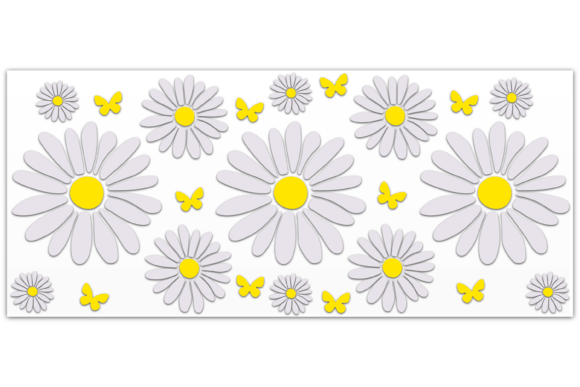
The artwork has a gentle, organic flow. Daisies are drawn with slightly irregular petals, which gives them a hand-illustrated warmth. The butterfly sits nestled among the blooms, not overpowering the composition. There’s a nice balance between open space and detail—enough to catch the eye, but not so much that it would turn into a dense, heavy stitch block. The overall mood is unmistakably spring and summer, yet it avoids being too cutesy. That matters when you’re thinking about real-world products: a design that’s too childish might limit your audience, but this one reads as fresh, natural, and universally appealing. It belongs in a collection that includes nursery decor, garden party gifts, boutique apparel, and everyday accessories.
Real-World Embroidery Applications
I tested the design on a few mockups before ever threading a needle. On a canvas tote bag, the daisy and butterfly motif sat perfectly in the center, leaving enough room for a monogram or a short phrase below. On a sweatshirt, I envisioned it placed on the upper left chest or as a larger back piece. The design’s clarity held up well when I scaled it to a 5x7 inch hoop, which is a very common size for home embroidery machines. For a baby onesie, I’d scale it down to about 3.5 inches, but I’d carefully check the butterfly’s antennae for stitch clarity at that size.
It also works beautifully for kitchen textiles. A linen tea towel with this design in soft pastels becomes an instant giftable item. I’ve even seen requests for similar motifs on aprons and pillow covers. The versatility extends to embroidered patches, which I could see selling well in a “spring garden” collection on Etsy. The design is simple enough to be digitized for a fill stitch outline, but it also invites creative thread painting if you want to elevate it into a more premium product.
How It Holds Up on Different Fabrics
Medium-weight cotton and canvas are the safest bets. The natural stiffness of these fabrics helps the satin stitches stay crisp. On denim, the design looks intentionally rustic, especially if you choose a slightly distressed thread color. I’d avoid very thin or loosely woven fabrics unless you’re comfortable with a heavier stabilizer. Stretchy fabrics like performance tees demand a cutaway stabilizer and a lower stitch density, otherwise the design might pucker or lose its shape over time.
A Note on the Libbey Wrap Format
The original file is designed as a full wrap for a 16oz Libbey beer can glass, which makes it incredibly useful for sublimation and vinyl cutters. For embroidery, you’re not going to stitch the entire wrap—you’ll extract the floral elements and the butterfly, then arrange them to suit your hoop. The fact that the graphics are already clean and well-proportioned means you spend less time cleaning up nodes in your digitizing software. As a print template, the artwork is crisp and high-contrast, which also makes it easier to preview your stitch directions before you ever run the machine.
Critical Points to Watch Before You Stitch
Any design with delicate wings and thin stems needs a thoughtful approach. The butterfly’s wing veins are charming, but if you stitch them too prominently, they can look heavy and blocky. I’d digitize them with a very light running stitch or a fine satin, and I’d test the design on black fabric to make sure the contrast is still readable. Dark backgrounds can swallow the daisy petals if you use a thread color that’s too similar in value. A bright white or soft yellow for the flowers, paired with a warm coral or lavender for the butterfly, usually solves the issue.
Small hoop sizes are another consideration. The design includes small details like the butterfly’s antennae and the daisy centers. If you try to cram everything into a 4x4 inch hoop, you risk losing those details entirely. I recommend a minimum 5x7 inch hoop for a clean stitch-out, but if you must go smaller, simplify the digitizing—perhaps omit the thinnest lines and rely on the flower shapes to carry the design.
Digitizing Tips for a Clean Stitch-Out
When you convert the svg to an embroidery file, think about stitch direction from the start. The daisy petals benefit from a radial satin stitch that follows the natural curve of each petal. The butterfly wings can be digitized with a light fill stitch, and I’d keep the density low—around 0.4 mm for the fill—to maintain a soft, fabric-like feel. Avoid heavy satin borders around every element, as that can make the final piece look stiff and less “handmade.”
Always test your digitized file on a scrap of the same fabric you’ll use for the final product. Compare the stitch-out on light and dark backgrounds. Check the back of the embroidery for thread nests or tension problems. A quick black-and-white mockup of the design can also reveal if the butterfly blends into the daisies—if it does, you might need to add a subtle outline or adjust the stitch angle.
Hoop Size and Stabilizer Advice
For bags and sweatshirts, a cutaway stabilizer is the safest choice. It prevents shifting during stitching and keeps the design looking crisp even after multiple washes. For tea towels or napkins, a tear-away stabilizer with a water-soluble topper can keep the stitches from sinking into the textured fabric. Always float the fabric if the garment is too thick to hoop, and use a basting stitch around the design to hold everything securely in place.
Visual Appeal and Customer Reaction
I’ve learned that customers gravitate toward designs that feel familiar but not overdone. Daisies and butterflies are classic, but the way they’re arranged in this graphic gives them a fresh, modern spin. When I showed a stitched sample on a tote bag to a few regular buyers, the feedback was immediate: “That’s so happy,” and “I’d buy that for my mom.” That kind of reaction is a reliable indicator. The design doesn’t need a lot of explaining—it communicates warmth, spring, and care. That makes it a strong candidate for personalized gifts, boutique window displays, and even wedding favors when done in white or ivory on linen.
From a branding standpoint, the Daisy Butterfly Svg 16oz Libbey Wrap Png can become a signature piece in a seasonal collection. You can offer it on multiple product types—tote bags, aprons, zip pouches, baby bibs—and still maintain a cohesive look. Since the original file is a Print Templates and Graphics asset, you also have the flexibility to use it for printed product photos, digital mockups, and even matching sublimation items, which helps you create a consistent brand experience across different mediums.
Practical Designer Checklist
Every time I work with a new svg for embroidery, I run through a quick mental list. Here’s what I’d check for this design:
- Test the design on scrap fabric first, using the exact stabilizer and thread you’ll sell with.
- Check the butterfly’s antennae at final stitch size—if they’re too thin, replace them with a single running stitch.
- Experiment with thread color choices on light and dark backgrounds to confirm contrast.
- Review the stitch density in your digitizing software; aim for a soft hand, not a stiff patch.
- Confirm the licensing terms from the svg artist—especially if you plan to sell finished physical products or the digitized file itself.
- Run a wash test on at least one sample to see how the design holds up after laundering.
- If you’re offering it on caps or curved surfaces, check the placement and adjust the design to avoid distortion.
Final Thoughts for Your Embroidery Business
After stitching multiple samples and seeing the design on different products, I’m confident the Daisy Butterfly Svg 16oz Libbey Wrap Png is a solid addition to a maker’s digital library. It’s not just a pretty graphic—it’s practical. The shapes digitize cleanly, the mood suits a wide range of buyers, and the end result looks professional without losing that handmade charm. Whether you’re building stock for a craft fair, refreshing your Etsy listings, or creating a custom gift for a client, this design earns its place in your rotation. Treat it with the same care you’d give any original artwork, test thoroughly, and you’ll end up with a product that feels bright, modern, and ready to sell.